The Short Version
Cortisol raises blood glucose deliberately: it tells the liver to release stored sugar and makes muscle temporarily less responsive to insulin, so fuel stays available for a crisis. Under sustained stress or short sleep, that switch stays half-on, and fasting readings drift up in people with entirely normal metabolism.
The Mechanism, Briefly
A threat, real or imagined, runs a signal from the hypothalamus to the pituitary to the adrenal glands, which release cortisol. Cortisol has one broad instruction: make fuel available now and worry about the bill later.
- The liver converts protein and other substrates into glucose and releases it.
- Muscle and fat tissue become temporarily less responsive to insulin, so the circulating glucose is not immediately stored away.
- Appetite signalling shifts, usually towards quick carbohydrate.
For a genuine emergency lasting minutes, this is elegant. For a six-week project deadline, it is a switch left on in a room nobody is using.
Sleep Is Part Of The Same Story
Short sleep is a physiological stressor and it produces the same direction of effect. Controlled studies restricting healthy young adults to four or five hours a night for under a week have measured meaningfully worse insulin sensitivity by the end of it, in people whose metabolism was normal on Monday.
That is the finding worth carrying around. It means a fortnight of bad sleep can move your morning number more than any capsule on the market, in the wrong direction, and no supplement will out-argue it.
What This Does To Anyone Running A Test
If you are following the meter protocol, stress is the variable most likely to ruin it, because it is invisible and it does not feel like an input. The fix is not to eliminate stress, which is not on offer. It is to record it.
- Add two columns to the log: hours slept, and a stress score out of five for the previous day.
- Score it in the morning before you look at the reading, so the number does not colour the score.
- At the end of eight weeks, read the high mornings against those two columns before blaming or crediting anything you swallowed.
- If a genuinely bad fortnight lands in the middle, extend the test rather than concluding from it.
What Actually Helps
The interventions with real evidence behind them are unglamorous and mostly free.
- A fixed wake time. More reliable than a fixed bedtime, and it drags the bedtime along behind it.
- Walking. Ten minutes after meals lowers the post-meal peak and lowers cortisol. Two jobs, one habit.
- Daylight early. Light in the first hour anchors the cortisol rhythm to the morning, where it belongs, rather than the evening.
- Caffeine cut-off. Roughly eight hours before bed for most people. Caffeine raises cortisol directly and its half-life is longer than the alertness suggests.
- Anything that reliably ends the day. The specific ritual matters far less than having one.
Where The Formula Touches This
One ingredient here has a genuine claim to the territory. Korean Ginseng is classed as an adaptogen, and it carries more human research on glucose than any other botanical on the panel, along with some work on subjective fatigue. That page separates what has been measured from what gets claimed.
Against that, two ingredients push the other way for anyone with a sleep problem: Green Tea and Guarana both bring caffeine, undeclared in quantity because they sit inside the 200 mg blend described on the product page. A morning dose is unlikely to reach bedtime, but it belongs in your daily caffeine total rather than outside it.
The order of operations. Sleep and daylight are larger levers than anything sold in a dropper. A supplement taken on four hours of sleep is an expensive way to avoid the obvious conversation.
Questions On This Guide
What readers ask after reading this article.
Can stress alone raise a fasting glucose reading?
Yes, and in people with no metabolic disease at all. Sustained cortisol raises hepatic glucose output and reduces insulin sensitivity, which is exactly the combination that lifts a morning figure.
How much sleep is enough for this purpose?
The restriction studies that show clear effects generally cut people to five hours or fewer. Seven to nine is the usual adult recommendation, and consistency of timing appears to matter alongside duration.
Does ginseng lower cortisol?
The adaptogen literature is suggestive rather than settled, and most of it measures subjective fatigue rather than hormones directly. The ginseng page sets out what the trials actually reported.
Should I stop the supplement during a stressful month?
There is no reason to, but there is a good reason not to draw conclusions from that month. Mark it in the log and judge the product on the quieter weeks.
Is the caffeine in Sugar Reset enough to affect sleep?
The quantity is not disclosed, because it sits inside a proprietary blend, and the dose is taken in the morning. Anyone unusually caffeine-sensitive should read the green tea and guarana pages before ordering.
Three More Guides
Ingredients Named Above
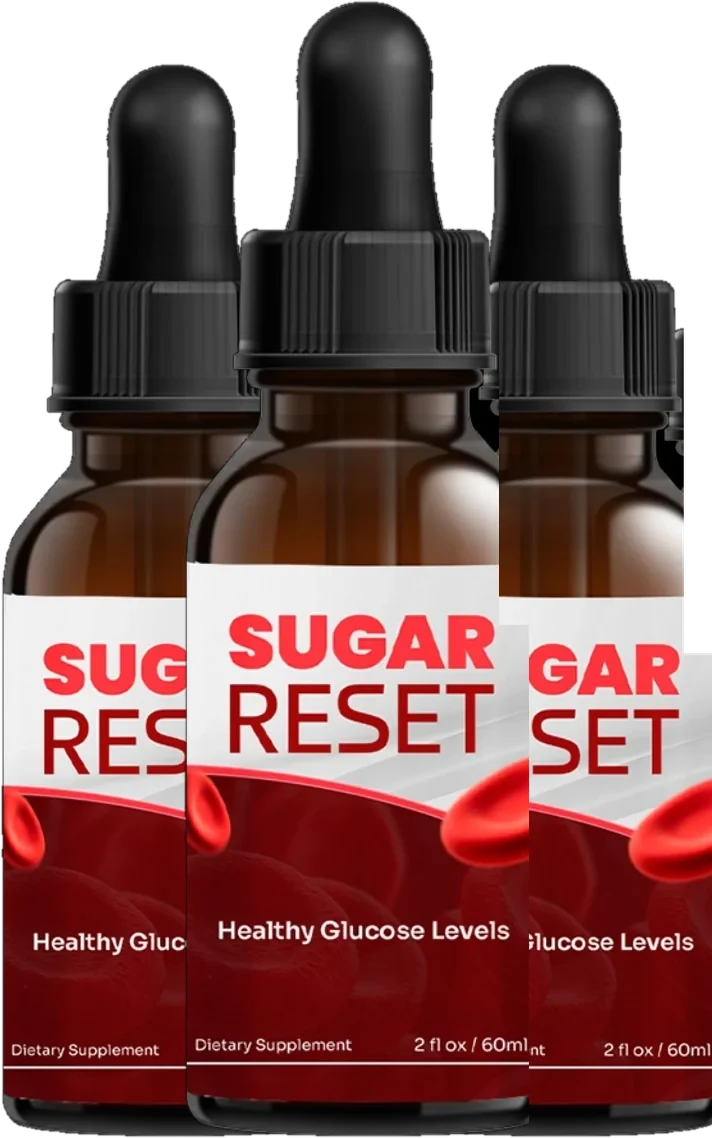
Support Healthy Blood Sugar The Simple Way
One dropper each morning, sixty days to decide, and a page for every ingredient so nothing is bought blind.
- Ten seconds a day, straight under the tongue
- Supports glucose already inside a healthy range
- Chromium carries its own declared amount
- Sixty days to send it back